



Few creatures capture the imagination quite like the butterfly. With their painted wings, silent flight and remarkable transformation, butterflies have long been a symbol of beauty and renewal across cultures. This guide brings together everything worth knowing about the butterfly — its anatomy, its extraordinary life cycle, where it lives, how it behaves and feeds, and the quiet but vital role it plays in the natural world.
Butterflies are flying insects belonging to the order Lepidoptera. They are recognised at a glance by their broad, colourful wings, slender clubbed antennae and a long coiled feeding tube called a proboscis. There are roughly 20,000 species of butterfly worldwide, found on every continent except Antarctica — from rainforest canopies to suburban gardens.

Butterfly anatomy and morphology
General body structure
A butterfly’s body is divided into three main segments: the head, the thorax and the abdomen. The head carries the eyes, the antennae and the mouthparts. Butterfly eyes are compound, made up of thousands of tiny facets that give the insect a wide field of vision and a sharp sense of movement.
The thorax sits in the middle and connects the head to the abdomen. It bears the six legs and the two pairs of wings. The legs are short and slender, used mainly for perching rather than walking. The abdomen, at the rear, houses the digestive and reproductive organs and is joined to the thorax by a flexible articulation that allows the body to curl and pivot.
Wing appearance and colour

Butterfly wings come in an astonishing range of sizes, shapes and colours. The surface is covered in microscopic overlapping scales — the feature that gives the order its name, Lepidoptera, meaning ‘scaly wings’. These scales produce colour in two ways: through pigment, and through the way light scatters across their structure, which creates the shimmering, iridescent blues and greens of species such as the morpho.
Wings are often strikingly symmetrical, the left mirroring the right, though some species break that rule. Beyond beauty, wing patterns serve a purpose: bold ‘eyespots’ can startle predators, dull undersides provide camouflage against bark and leaves, and vivid colours can warn that an insect is unpalatable. This blend of art and survival is part of what makes butterflies such a rewarding subject for animal-themed canvas art.
Reproductive system
Butterflies reproduce sexually, with separate male and female individuals. Males and females find one another through a mix of visual signals and airborne chemical cues, then pair to mate. After mating, the female lays her eggs directly onto specific host plants — the leaves that will feed the caterpillars once they hatch. From those eggs begins one of nature’s most striking transformations.
The butterfly life cycle
Egg, caterpillar, chrysalis and adult

The butterfly passes through four distinct stages: egg, caterpillar (larva), chrysalis (pupa) and winged adult. This complete metamorphosis is one of the most dramatic in the animal kingdom. Each stage looks entirely different from the last, yet all belong to the same individual.
The female lays her eggs on a chosen host plant. When they hatch, the caterpillars feed almost constantly on the leaves, growing rapidly and shedding their skin several times. Once fully grown, each caterpillar forms a chrysalis, a protective case in which its body is completely reorganised. Finally the adult butterfly emerges, unfurls and dries its wings, and takes to the air to feed, find a mate and begin the cycle again.
Lifespan

Lifespan varies enormously between species. Some adult butterflies live only a few days, while others survive for several months. The shorter-lived species spend almost their entire adult life on the wing — feeding, mating and laying eggs in quick succession. Longer-lived species may alternate between periods of activity and rest, and a few overwinter as adults, surviving the cold season to breed the following spring.
Migration

Certain butterflies undertake remarkable seasonal migrations to escape harsh weather or follow sources of nectar. Migrating butterflies make clever use of the wind, rising to considerable altitudes to be carried long distances with little effort. The most famous of all is the monarch (Danaus plexippus), whose multi-generation journey across North America is one of the great spectacles of the insect world. You can read more about it on the monarch butterfly entry on Wikipedia.
Habitat and distribution
Where butterflies live

Butterflies occupy a wide variety of habitats, from tropical forests to deserts, and from open meadows to suburban gardens. Tropical forests hold the greatest diversity, including large, iridescent species found nowhere else. Meadows and farmland suit nectar-feeding and migrating species that depend on wildflowers and crops.
Even deserts support hardy butterflies adapted to heat and scarce water. Gardens, however, are among the most accessible habitats of all: a planting of nectar-rich flowers and suitable host plants can turn any outdoor space into a haven. If butterflies are the reason your borders come alive in summer, a few garden-inspired canvas prints are a natural way to carry that feeling indoors.
Geographical distribution
Butterflies are found across the globe, the only exception being Antarctica, where conditions are too extreme for them to survive. The tropical forests of South America, Africa and Asia are home to an exceptional number of species, with the richest variety of colours and shapes. By contrast, the Arctic and sub-Arctic support far fewer species, and these tend to be smaller and more muted in colour, an adaptation to short summers and cool temperatures.
Behaviour and feeding
Flight behaviour
Flight styles vary widely from one species to another and shift with the weather. Some butterflies have a quick, erratic flutter that makes them hard for predators to follow; others glide and soar on rising air. They fly by beating their wings repeatedly, and many species exploit air currents and thermals to travel at different heights with minimal effort.
Flight also serves specific purposes: feeding, courtship and escape. Adult butterflies feed mainly on flower nectar, which they reach through their long, coiled proboscis, uncurling it like a drinking straw to sip from deep blooms. This close relationship with flowers is why butterflies and floral canvas paintings sit so naturally side by side.
Host plants and caterpillar feeding
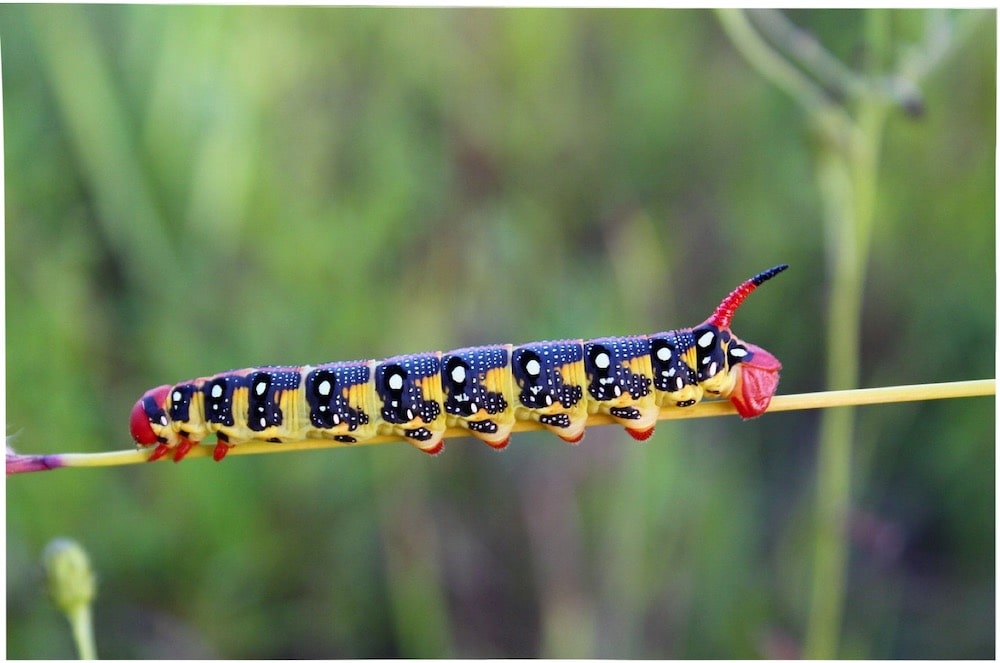
Caterpillars are herbivores, feeding on plants, and each butterfly species has its own preferences. They eat the leaves, stems or flowers of their host plant, and they eat a great deal — growing many times their original size before pupating. The host plant matters enormously: it is both where the female lays her eggs and the sole food source for the caterpillars that hatch. The monarch’s dependence on milkweed is a classic example of this tight bond between insect and plant.
Reproductive behaviour

Courtship and mating range from the simple to the elaborate. Males of many species attract females using airborne pheromones or eye-catching visual displays, sometimes performing aerial dances. Once a pair has formed, mating can last from a few minutes to several hours. The female then seeks out the right host plant and lays her eggs, completing the chain that ensures the next generation. A few species even show rudimentary parental care, choosing sites that shelter their eggs from predators and the elements.
Ecological importance
Role in pollination

As they move from bloom to bloom in search of nectar, butterflies carry pollen on their bodies, making them valuable pollinators alongside bees. They are particularly effective because they travel long distances and visit many flowers in a single outing, spreading pollen across wide areas. Their colourful wings and long proboscis are well suited to reaching flowers that other insects cannot, which helps sustain the diversity of wild and cultivated plants alike.
Predators and parasites

At every stage of life, butterflies face a host of predators. Eggs and caterpillars are eaten by birds, frogs, lizards, spiders and wasps, while adults are hunted on the wing by birds and other small animals. To survive, butterflies rely on camouflage, startling eyespots, warning colours and unpredictable flight. They are also targeted by parasites, which lay their eggs on caterpillars or adults — a sobering reminder of how finely balanced these populations are, and why protecting pollinator habitats matters. Organisations such as the Butterfly Conservation charity in the UK work to safeguard these habitats.
Why butterflies inspire art and home decor
It is no accident that butterflies appear so often in painting and interior design. Their symmetry, their luminous colour and their associations with transformation and lightness make them one of the most uplifting motifs you can hang on a wall. A butterfly canvas brings movement and a touch of the outdoors into a room, working as beautifully in a calm bedroom as in a bright living space.
At Nature Painting we translate that fascination into ready-to-hang canvas art — from delicate blue morphos to bold, colourful compositions and softer studies of butterflies among flowers. Each piece is a way to keep a little of the garden’s magic indoors all year round.
 Beautiful Butterfly Painting
 Acrylic Painting of Flowers and Butterflies
 Blue Morpho Butterfly Painting
Conclusion
Butterflies are far more than a pretty sight. From their scaled, light-bending wings to their four-stage metamorphosis and their work as pollinators, they are woven deeply into the health of the natural world. Understanding how they live, feed and reproduce only deepens our appreciation of these delicate, resilient insects — and of the gardens and wild places that sustain them.


